Exclusive DJ Mixes and 100% Ad-Free Music!

Jazz Nigeria: Origin, Growth and Popular Artists
11 December 2020
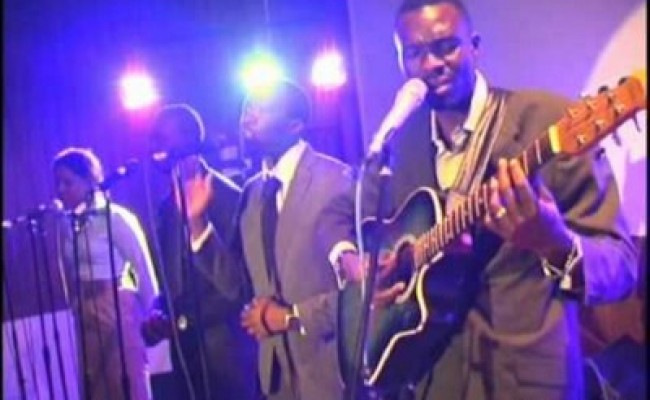
Photo: musicinafrica.com
By Khisa CJ
Jazz is a music genre that is said to have originated in the African-American communities of New Orleans, Louisiana, United States of America in the late 19th and early 20th century.
This genre has roots in blues and ragtime, West African cultural and musical expression – usually characterized by swing, blue notes, complex chords, call and response vocals, polyrhythms and improvisation.
For a while now, there has been efforts to popularize Jazz Nigeria through mini-festivals and gigs, although its reception has been low among Nigerians as it is usually seen as a genre for a specialized audience.
Origin
Jazz Nigeria can be traced back to the 1940s following the return of the likes of Bobby Benson, Tunde Amuwo, Bob Edwards, Willy Payne and Soji Lijadu, among others, from Europe after the Second World War (1939-1945).
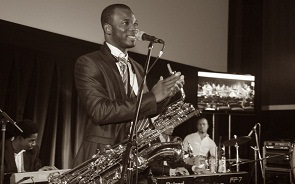
The above listed musicians are the pioneers of Jazz in Nigeria as they started off by mimicking major Jazz bands like Glen Miller, Benny Goodman, Charlie Christian, Coleman Hawkins and Earl Bostic – playing a mix of Jazz sounds that included jive, waltz, quickstep, tango, highlife and foxtrot.
When did Jazz start to grow in Nigeria?
The growth of Jazz music in Nigeria started in the 1950s, when the Dance Orchestra on the Nigerian Broadcasting Corporation (NBC) was a leading band of orchestra, later becoming a key platform for Jazz musicians in the country.
A pure Jazz Nigeria genre was, however, established in 1963, in Lagos by Fela Ransome-Kuti Quintet that was comprised of Fela Ransome-Kuti who was the leader with ability to play trumpet and piano, Don Amaechi (guitar), Emmanuel Ngomalio (bass), John Bull (drums) and Sid Moss who was on piano.
Cool Cats Inn in Ebute Meta, Lagos was where the band would play regularly and it attracted several guest stars among them trumpeter Zeal Onyia, saxophonist Taiwo Okupe, Steve Rhodes and pianist Art Alade.
With the success of the launch of modern Jazz in Nigera came another Jazz band – Jazz Preachers that was led by pianist and singer Art Alade.
Later in the 1970s, Jazz Nigeria saw an emergence of a specialist venue - Jazz 38 in Lagos, that had The Extended Family Jazz Band of Fran and Tunde Kuboye. This venue became the most important Jazz hub in the country.
The Extended Family was led by Fran Kuboye – vocalist who demonstrated a vocal range comparable to Ella Fitzgerald, Sarah Vaughan or Billy Holiday.
As Jazz continued to gain prominence in Nigeria, the 1990s saw a lot of Jazz activities, despite lack of commitment and cohesion that was there before. Young and upcoming Jazz Musicians like Laitan Adeniji and Funso Ogundipe (Ayetoro) used venues such as Muyiwa Majekodunmi’s JazzVille in Lagos as their hub.
During the same period, Jazz et al featuring tenor saxophonists Kayode Olajide and Bisade Ol ogunde (Lagbaja) also went on to form their own successful bands.
Other notable young Nigerian Jazz stars in the 1990s included guitarists Kunle Odutayo (Kunle Ayo) and Agboola Shadare, bassist Bright Gain and saxophonists Mike Aremu and Ayo Solanke.
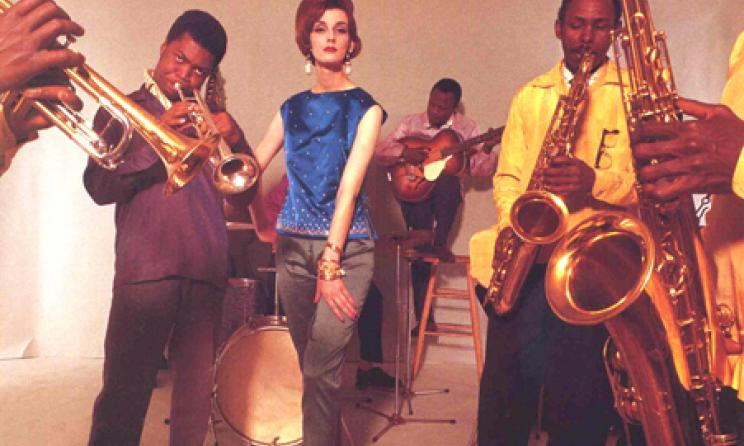
Apart from the above mentioned Jazz singers in Nigeria, others include Maud Meyer who was among the pioneer female singers in the 1950s and operetta and Jazz singer Mary Afi-Usua during the 1960s.
Gloria Rhodes and Fran Kuboye were female Jazz stars in 1970s while talented Ayinke Martins, Yinka Davies, Mayen, and Ego have kept th e flames of Nigerian jazz alive since 1980s.
Weekly Top 10 songs


Top stories
- NEW HIT SONGS
19 October

Leave your comment