Exclusive DJ Mixes and 100% Ad-Free Music!

The Rise and Evolution of Hip-Hop in Kenya
2 October 2020
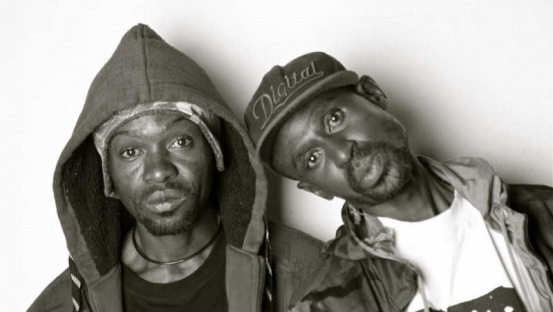
(Image Source; Standard Media)
by Kabura Ng'ang'a
The music industry in Kenya was heavily built on fusion of traditional instruments and bands. All this included a lot of singing and so in many ways, rappers did not have a platform. With the rise of clubs, clubs accommodated live bands which again closed the rappers out; I am pretty sure people were not aware that rap could be a thing.
Fast forward, the Kenyan industry caught wind of Dancehall with the rise of the Caribbean music scene. It was at this point that rappers in Kenya got a niche and therefore much of the rap music starting out in Kenya was highly influenced by sounds of the Caribbean hence the sound of some veteran artists such as Poxy Presha.
At this point, the rap culture even in the USA was creating waves and they were calling it hip-hop. At this point, hip-hop was a lot about telling stories about the struggles in the hood, drugs and life therefore it was heavy in the black community. Repackaging this into a Kenyan sound, it was easy for hip-hop rappers in the ghetto and slums to navigate and relate to these struggles. Therefore, Kenyan hip-hop essentially started in the ghetto.
This was the rise of the people from Dandora such as Kalamashaka which later birthed MauMau, Wenyeji, Ukoo Flani and many other groups. This was essentially the rooting of a solid hip-hop culture in Kenya.
Decades later, the Kenyan hip-hop scene traverses beyond just the struggle and life in the ghetto, as is in every other culture. It has welcomed gospel artists, a pop/club sound, spoken word poetry, and high-life hip-hop artists.
At this point, hip-hop has also found a way to get back to where music started in Kenya and we are having hip-hop music sampled over the traditional sounds and beats.
https://www.youtube.com/watch?v=xNxtir6CEdohttps://www.youtube.com/watch?v=xNxtir6CEdo



Leave your comment