Exclusive DJ Mixes and 100% Ad-Free Music!

OPINION: Is African Hiphop Recreating American?
21 January 2015
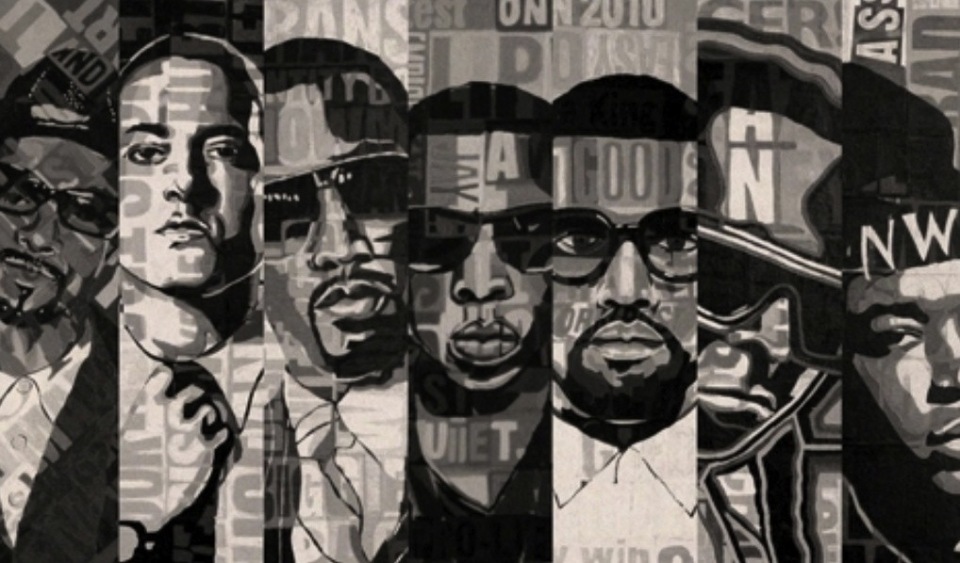
International Hiphop should maintain A1 quality! Hiphop gets praised by diehards for remaining aboriginal, live and true to the genre’s roots.
American Hiphop scene has always been a huge church with very many styled ministers, and unstyled too. There is a ton of conscious music coming out, but wherever there is music there is crap music - you gotta have a super nerve to listen to a whole Yung Thug mixtape. That’s the state of US Hiphop.
Africa has a melting pot of it’s own! Matter fact, in 2014 commercial Hiphop in the region continued to make positive inroads, it was tried and tested. It’s graduation season 2015. But this lingering question though; is African Hiphop recreating American?
You might also like:
The longest serving chart toppers on Mdundo
Sautisol react to their loss to P-Unit
You can’t get an outright retort for that, but If we acknowledge that music practices flourish within a socio-cultural context and the fact that the world today is a ‘village’, the response to the question is a yes. We can therefore reason; American Hiphop scene has shaped the present African Hiphop practices we know. Our old homemade, distinctive scene is slowly fading.
While today’s commercial Hiphop in US is often critiqued for its shallow lyricism and degrading imagery, back here in Africa it’s the season for eye-catching flicks of champagne bucket-laden yachts, flashy cars, light girls in bikinis and the entire range of mixed messages that made American scene a success. Not bad, no finger pointing. See my previous post Dealing With Music As a Business In East Africa Part 1.
The way a voice sounds impacts the music an artist makes. In the early 00s a group called Silibil ‘n’ Brains landed a record deal in US by hiding their Scottish accents underneath a Californian drawl. A good number of African artists spill out in a casual American accent reflecting the image of American rap.
During one of our weekly Live Twitter Interviews with one of the best Hiphoppas in Kenya, Smallz Lethal, the rapper pointed out that "New cats need to step up their game, Hiphop is a lifestyle and originality is key."
But there’s a power African majority artists poses different from American. The use of African sounds, samples and the manner in which the lyrics are sung, rapped. It is from this context that the music of Africa must be seen as dynamic. Case study Sarkodie. The BET award winner is one of the most strategic commercial Hiphop artists in Africa. He is aware of the frontiers he’s crossing.
Kenya, Nigeria, South Africa, Ghana and Tanzania have a very active Hiphop scenes. Lyrically in that category, South Africans and Tanzanians will take the crown today. On a business perspective Nigerians and Ghanaians are doing great. Kenya is slowly picking up.
An important takeaway is Rap and hip-hop are still perceived as primarily African-American, and Africa made African American.
@Jakaqu; Entertainment writer, columnist Mdundo News
Weekly Top 10 songs


Top stories
- HEAVEN BABY BY AYRA STARR
04 September

Leave your comment